 Freestyle half of honey melon filled with kiwi slices and raisins. You can add yoghurt, cottage cheese or another fruits of your choice and top it with honey.
Enjoy your healthy snack and your weekend!
A community with environmental and healthy resources
Freestyle half of honey melon filled with kiwi slices and raisins. You can add yoghurt, cottage cheese or another fruits of your choice and top it with honey.
Enjoy your healthy snack and your weekend!

Jump to the Menu Plan for Diarrhea Problems
You may blame it on a 24-hour bug or something you ate, but if you’re like the average American, you’ll suffer once or twice this year from diarrhea: frequent, watery bowel movements that may be accompanied by painful cramps or nausea and vomiting.
Diarrhea is uncomfortable and unpleasant, but generally no big deal in otherwise healthy adults. However, if diarrhea becomes a chronic condition, the situation changes. Or if it affects the very young, the elderly, or the chronically ill, it can be dangerous. And if you’re not careful to drink enough fluids, you could find yourself complicating what should have been a simple enough situation.
There are essentially two types of diarrhea: acute and chronic. Thankfully, the vast majority of diarrhea is acute, or short term. This type of diarrhea keeps you on the toilet for a couple of days but doesn’t stick around long. Acute diarrhea is also known as non-inflammatory diarrhea. Its symptoms are what most people associate with the condition: watery, frequent stools accompanied by stomach cramps, gas and nausea.
Acute diarrhea usually has a bacterial or viral culprit. Gastroenteritis, mistakenly called the “stomach flu,” is one of the most common infections that cause diarrhea. Gastroenteritis can be caused by many different viruses. Eating or drinking foods contaminated with bacteria can also cause diarrhea. Other causes of acute diarrhea are lactose intolerance, sweeteners such as sorbitol, over-the-counter antacids that contain magnesium, too much vitamin C, and some antibiotics.
In this article, you will find the home remedies you can follow to keep yourself healthy while you are battling diarrhea. You will also find out what to do in more extreme cases of diarrhea.
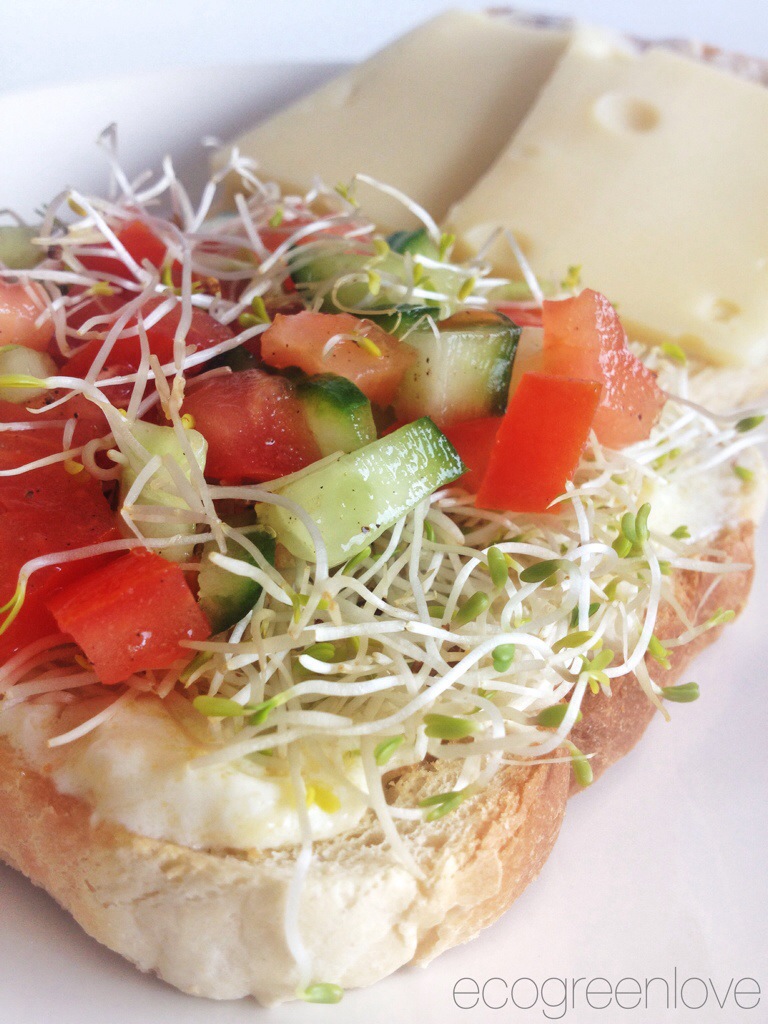 Get the original Recipe here
 Freestyle prepared. Just mixed everything 😉


The best thing you can do to protect yourself from colds and flu this winter is to strengthen your immune system naturally with immune-boosting foods and nutritional supplements.
Raw garlic in the diet is very beneficial, however cooking garlic can destroy some of its health-promoting compounds. One way to get around this problem is to take Kyolic aged garlic extract. The natural ageing process increases antioxidant levels and enhances garlic’s immune boosting powers. It also has the added benefit of being odourless.
Vitamin C is an extremely important nutrient for boosting immunity. Include plenty of foods high in vitamin C in the diet, including fresh fruits and vegies, especially citrus fruits, kiwi fruit, strawberries, broccoli, cabbage and parsley. A vitamin C supplement is also recommended to ward off colds and flu, take around 2-3 g a day.
Zinc is another important mineral needed for healthy immune function. Zinc is found in foods such as red meat, chicken, fish, dairy foods, eggs, legumes and sunflower and pumpkin seeds. Taking a zinc supplement is also beneficial, around 45mg a day.
Spirulina is a type of sea algae that is considered a superfood due to its extraordinary health-promoting elements. Spirulina can stimulate immune function; it’s anti-cancerous and rich in nutrients such as iron and selenium which act as powerful antioxidants in the body. Spirulina can be taken in capsule or tablet form (around 5g day, or add a teaspoon of powder to smoothies or juice).
More great immune-boosting foods that should be included in the diet include miso, ginger, garlic, onion, yoghurt, green tea and seaweed.
There are some key herbs that naturopaths and herbalists commonly use to strengthen the immune system and offer protection against colds and flu, including astragalus, andrographis, Echinacea and olive leaf.
A good healthy diet is fundamental to good health and a strong immune system. A majority of your diet should be made up of unprocessed, natural foods such as fresh fruits, vegies, legumes, wholegrains, nuts and seeds.
Having a well-balanced diet will supply you with all the essential nutrients your body needs for a healthy immune system such as zinc, vitamin A and C, selenium and iron.
Read our fact sheet on antioxidants.
Discover more from our nutrition expert Lisa Guy here.
 ecogreenlove