Image

Urban Agriculture [Infographic]

Urban Agriculture [Infographic] | ecogreenlove

Urban Agriculture is a movement towards growing and raising more food within densely populated areas of major cities. Today, about 15% of the world’s food is now grown in urban areas. Since space is limited in big cities, you may have noticed city gardens sprouting up in smaller spaces (like rooftops or apartment balconies). Another green benefit to urban gardening is that you can re-purpose old recyclable milk jugs or woven baskets and use them as containers for new veggies. Vegetables that are ideally suited for growing in containers include tomatoes, peppers, eggplant, green onions, beans, lettuce, squash, radishes and parsley.

Have you already been practicing urban agriculture and balcony or patio gardening? We would love to hear about it! What tips can you share on how to have the greenest thumb on the block?

Continue reading “Urban Agriculture [Infographic]”

Image

A Guide to Food Waste [Infographic]

A Guide to Food Waste [Infographic] | ecogreenlove

A Guide to Food Waste [Infographic] | ecogreenlove

Brough to you by Fix.com

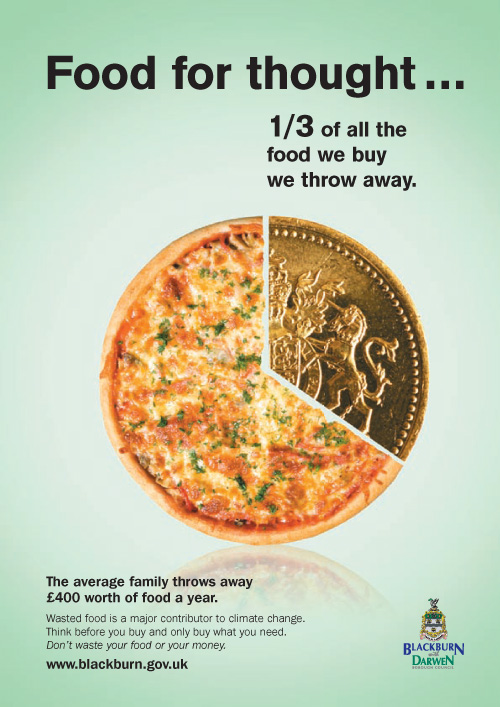
In 2010, around one-third of the food produced in the United States was not consumed, and ended up being wasted. That is a troubling statistic, and represents a food waste crisis that if left ignored will continue to burn holes in the pockets of families, and contribute to waste and the myriad problems it causes our planet.

One of the first things you can do to cut food waste in your home is to stop treating the “best-before,” “use-by,” and “sell-by” labels as gospel that determine when food must instantly been thrown out. These labels are used for shelving and inventory purposes in stores, and you should always trust your eyes and nose before you trust a number on a package. Consider using food rather than throwing it out, unless your senses tell you otherwise!

Make your meal plans and take stock of what you have in your fridge and pantry before you go shopping, and shop accordingly. Consider joining a CSA to take advantage of freshness, and buy your groceries a few times a week and when needed, rather than all at once.

Food Waste Day

Food waste is one of the planet’s easier dilemmas to solve. While challenging, the solution will be more about changing people’s mindsets than creating over-complicated, high-tech answers. The first step? Understanding where food waste happens and how we can change the world by changing the way we eat.

Reduce Your Waste

  1. Lower your grocery bills and environmental footprint by reducing your food waste.
  2. Whether you are at home, school, or work, you are surrounded by opportunities to reduce food waste. So where do you begin?
  3. Identify areas for improvement and choose your favourite strategies for cutting waste.

At Home…

You can reduce your personal food
waste in five steps:
Continue reading “Food Waste Day”