Image

The Growing Global Water Footprint [Infographic]

The Growing Global Water Footprint [Infographic] | ecogreenlove

Click to Enlarge Image
The Growing Global Water Footprint [Infographic] | ecogreenlove Infographic by CustomMade

The average American lifestyle requires about 2,000 gallons of water every day. Fresh water consumption has doubled since World War II and is expected to rise 25% by 2030. All of this water use takes a toll on the planet and can create water scarcity which effects up to 2.8 billion people around the world at least one month out of the year. Explore ways you can reduce your water footprint in your home.

Dual flush toilets, turning off the tap while scrubbing dishes, and using a rain barrel to collect outdoor water are all great ways to reduce your water footprint. There are many simple changes you can make in your day to day life that can positively impact your water use and lessen the effects of water scarcity.

Follow CustomMade on
Gplus YouTube pinterest twitter facebook instagram

Be Eco: Join the Green, Share the Love! | ecogreenlove

California’s groundwater problem

With an alarmingly dry winter and California reservoirs dropping fast, groundwater increasingly is keeping the state hydrated. It now accounts for about 60 percent of California’s water supply. But unlike its rivers, lakes and reservoirs, the state does not consider groundwater part of the public good. It does not regulate groundwater like it does surface water. Landowners can pump as much water as they want.

So for nearly a century, Californians have drained an incredible amount of water from the ground to grow crops and water landscaping. It is not sustainable. The water has not returned. The result is a sinking state. Here is a summary of some startling facts (Originally posted by  on revealnews.org) about California’s groundwater depletion: Continue reading “California’s groundwater problem”

Image

Tips on Dumpster Diving [Infographic]

Tips on Dumpster Diving [Infographic] | ecogreenlove

Click to Enlarge ImageFrom Trash to Treasure: The Dos and Don’ts of Successful Dumpster Diving | ecogreenloveInfographic by CustomMade

While some people spend the early morning hours asleep, partying, or getting ready for work, other people around the world pursue a slightly less conventional activity: digging through trash.

Why, you might ask, would someone enthusiastically subject themselves to the often disgusting sights and smells on the inside of a dumpster or in the middle of a trash heap? Turns out, these intrepid dumpster divers are on to something. Read on to learn what dumpster diving is all about and how you can take advantage of the wonderful treasure that is other people’s trash.

Continue reading “Tips on Dumpster Diving [Infographic]”

Image

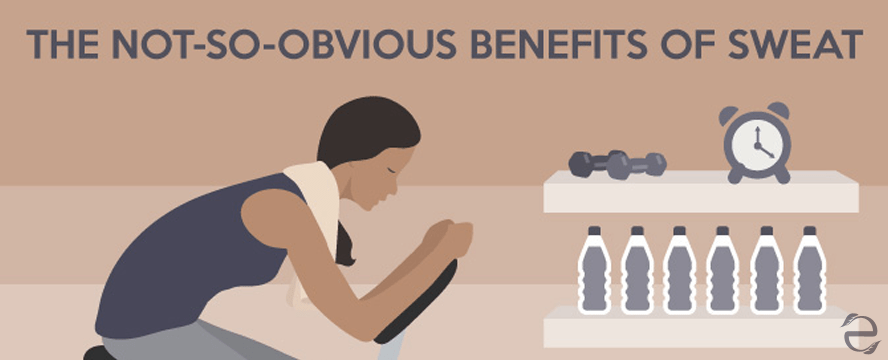
Benefits of Sweat [Infographic]

Benefits of Sweat [Infographic] | ecogreenloveSource: Fix.com

Glance around any fitness class, and you’ll see all kinds of perspiration. Some exercisers will be drenched from head to toe, while others will have nary a drop of sweat on the brow. Sweat isn’t exactly one of the great mysteries of the universe, but there is still a lot to discover about this amazing built-in skin system.

The human body is equipped with its own cooling system. The skin is covered with approximately two to five million sweat glands that run like ductwork in an attic. How much a person sweats is determined by physiological characteristics, including age and gender, room temperature, the level of exertion during exercise, how anxious a person feels, and whether the person is overweight.

On average, humans can produce up to one to three liters of sweat per hour. Exercise and heat are the most common causes of perspiration because sweat’s main job is to cool down the body. However, stress, anxiety, and excitement can also cause sweating. That’s why foods and beverages that increase anxiety, such as coffee and tea, can ramp up sweat production.

Continue reading to learn The Reasons Behind Salty and Stinky Sweat, who sweat more: men or women and why sweat has Healing Powers and are considered Happiness Defenders

Follow Fix on Facebook | Twitter & G+

It is Health the real Wealth | ecogreenlove

Image

Are Organics really better? [Infographic]

Are Organics really better? [Infographic]

Click image for full size

Are Organics really better? [Infographic] | ecogreenloveSource: MPHOnlinenline.org/

After thirty years of study, the Rodale Institute concludes that:

“organic methods are improving the quality of our food, improving the health of our soils and water, and improving our nation’s rural areas. Organic agriculture is creating more jobs, providing a livable income for farmers, and restoring America’s confidence in our farming community and food system.”

Read the whole study here

eat good, feel good | ecogreenlove