
Update: May 2019


💚 More ideas to Repurpose Plastic Jugs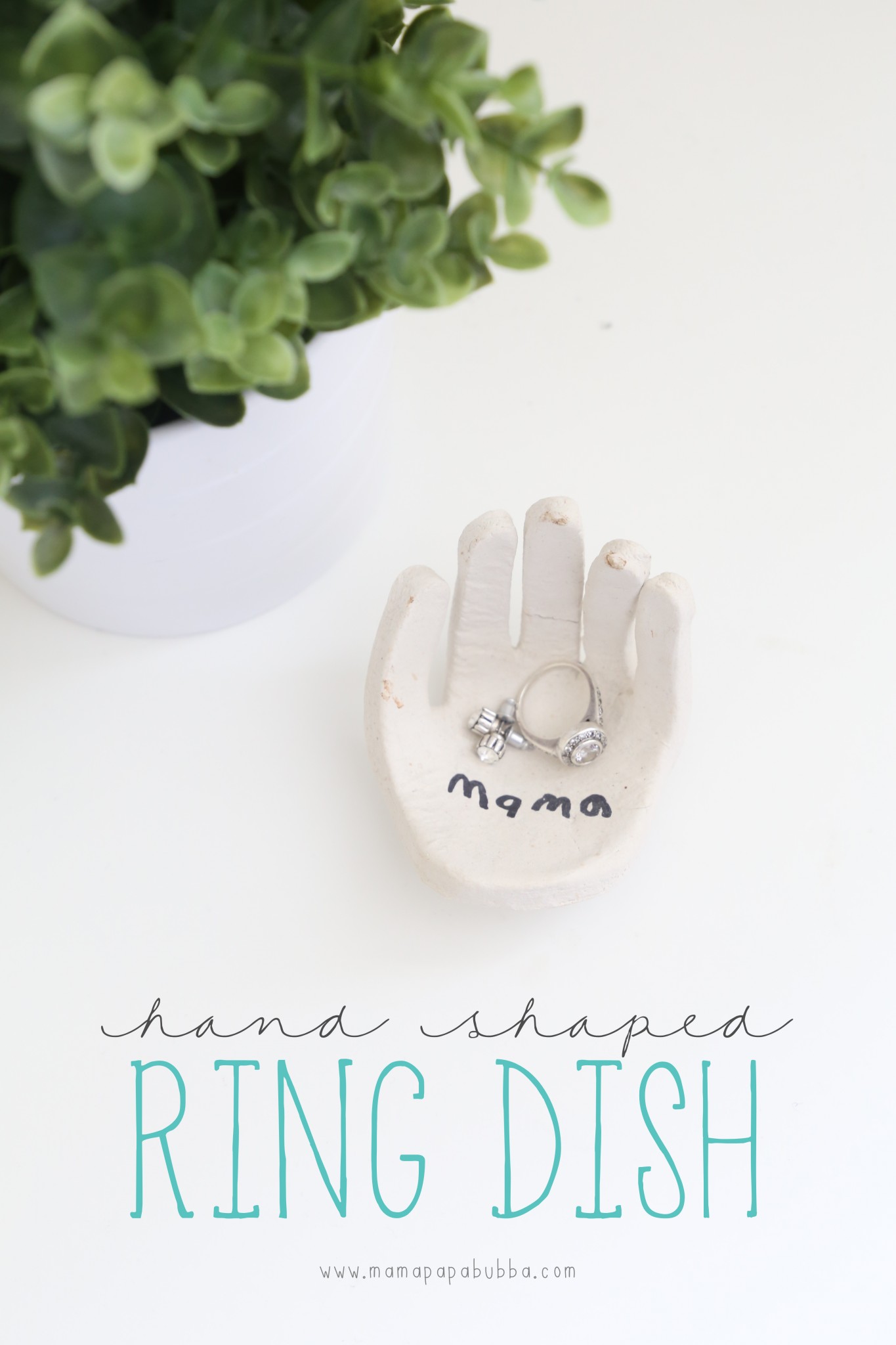
Continue reading “DIY: Upcycled Mother’s Day Gifts ideas (avoid consuming!)”
A community with environmental and healthy resources

Update: May 2019
💚 More ideas to Repurpose Plastic Jugs
Continue reading “DIY: Upcycled Mother’s Day Gifts ideas (avoid consuming!)”


by Kris Gunnars on Authority Nutrition via Care2
People are looking for healthy alternatives to sugar. There are many low-calorie sweeteners on the market, but most of them are artificial. However, there are a few natural sweeteners out there that taste just as good. The most popular of these is stevia, a sweetener that has become immensely popular in recent years.
Stevia is a 100 percent natural, zero calorie sweetener with a number of health benefits that have been confirmed in human studies.
Continue reading “STEVIA: A Natural Sweetener With Proven Health Benefits”


You don’t need a garden to grow garlic. The bulbs grow well when planted in wide, deep containers that are set in a nice sunny spot.
There are tons of garlic varieties to choose from and they are divided into two basic categories: hardneck types, which have a hard central stock with a single layer of cloves around it, and softneck types, which have swirling layers of cloves and no defined neck. I prefer hardneck varieties because they produce a flower bud called a scape in late spring. Scapes have a delicious mild garlicky flavor and taste amazing in pesto. In theory, you could plant garlic purchased from the grocery store, but it is often treated to prevent it from sprouting. For the best results and a more interesting array of varieties, buy garlic that was grown locally at a farmer’s market or purchase bulbs at a nursery.
Garlic has fairly shallow roots, but it is important to make sure they have plenty of room to stretch out in the soil. Choose a pot that is at least 18 inches deep and 12 inches wide. Half barrels and wooden crates work well, but you certainly do not need to buy a container for your garlic. The large black plastic containers that trees come in are a great choice, as are contractor buckets. Whatever container you use, make sure that it has drainage holes in the bottom. Place the container in a spot that gets at least 6 hours of bright, direct sunlight each day. Continue reading “How to Grow Garlic”

The first time I heard about green qPCR* was when these cute little Real-time PCR System were introduced. Actually, it wasn’t just this type of instrument that was introduced to me, but the whole concept of “you can do something ecofriendly in your laboratory”.
But before talking about this, let me explain why this hadn’t crossed my mind before:
Protecting the environment, for me that meant to recycle stuff. Which in turn means you simply re-cycle paper, plastic and metal. Now the thing is that products made from such recycled materials aren’t as clean as they used to be, e.g. recycled paper looks more gray-ish, doesn’t it? While this isn’t really a big issue in daily live (okay, it’s a problem if you’re picky about the way it looks), it’s definitely a problem in the lab. Here, you’re using methods and instruments allowing you to detect minute contaminations – one in a million of molecules, the proverbial needle in the haystack. Now, if you would use e.g. recycled plastic in the lab, you would very likely always get a some false signal because you would be detecting the traces from its previous use. And reagents … well, once they have reacted with each other, they are used up and gone. And also contaminated with each other, to say the least. Therefore, it’s usually Use-it-once-and-throw-it-away in the lab.
So, if you can’t re-use or recycle material in the lab, what’s left?
Well, if you can’t reuse and/or recycle, at least you can go easy on your resources and reduce the amount of material you use. And that’s where manufacturers of more compact qPCR instruments makes their claim that these instrument help you to run a greener lab:
The concept is: “Using less energy and material is greener.” And this actually makes sense because if an instrument is designed to use 60% less energy than common qPCR instruments. And because it’s all done in a smaller plate, it means you are using less plastic – e.g. 75% less, i.e. only around 4.5 kg/year compared to 18 kg/year. Also, smaller plates means smaller wells, which in turn means smaller reaction volumes are possible, so that you are using less reagents per reaction; long story short, you are producing less liquid waste.
Of course, there are other factors, which have an impact on the environment, such us the carbon footprint of the manufacturing process. Since there’s no data here, I’m afraid I can’t say much about it. But leaving this aside, I think this instrument is really a way to do more with less material. And that’s a good thing for the environment, isn’t it?
Besides this, there are actually exceptions, i.e. applications, where you can get away with reused material. I’ll have a look at those the next time.
What do you think? Looking forward to your feedback and comments! 🙂
*P.S.: in case you’re wondering: “qPCR?!? Real-Time-what?!? What is he talking about?!?” Here a nice little introduction to it: Continue reading “Green qPCR – using less plastic consumables and less reagents”


 ecogreenlove