Image

Environmental Impact of Tourism on Coastlines [Infographic]

Environmental Impact of Tourism on Coastlines [Infographic] | ecogreenlove

Saving Our Beaches: Engineering Solutions for Tourists’ Impact

Everyone loves a beach vacation. In colder climates especially, more and more people are taking advantage of cheap airfares for a long weekend of sunbathing and swimming in the dead of winter. In fact, 12 of the top 15 destinations were in coastal countries.

In 1995, there were around 528 million international tourist arrivals. That number jumped to 1.138 billion in 2014, and emerging economies are experiencing faster tourism growth than advanced economies, making the increase in tourism an important part of many countries’ growth.

Local economies encourage increased tourism, as it helps to grow local wealth and jobs that pay well. Unfortunately, this relaxing trend is having some serious consequences on the environment that may outweigh the economic benefits.

Some of the downsides of increased tourism include resort development, boating, snorkeling, diving, and fishing, cruise ship presence, litter, coral reef damage, and even the creation of artificial beaches. These activities introduce toxins and other harmful substances, cause physical damage and sedimentation, and exploit local fish populations.

So what can be done to preserve the benefits of tourism for developing economies while balancing the need for environmental responsibility? Engineers have a few ideas. Eco-friendly roofing systems, designs that catch rainwater for later use, innovative wastewater management, and considering the landscape when constructing resorts and hotels can all help to reduce the impact tourists have on the local environment.

These innovative solutions are key for helping to ensure that tourists, locals, the local environment, and wildlife can all exist harmoniously now and in the future. Find out more about how serious the problems caused by coastal tourism have become and how engineers are working to solve them with this resource from Ohio University’s Master of Science in Civil Engineering Program.

Continue reading “Environmental Impact of Tourism on Coastlines [Infographic]”

Image

Furoshiki: The Art of Japanese Fabric Wrapping [Visual Guide]

Furoshiki: The Art of Japanese Fabric Wrapping [Visual Guide] | ecogreenlove

Many of the most revered Japanese arts have emerged from something that was first intended for practical uses. Such is the case with Japanese calligraphy, the solution to a growing need for a uniform script in the administrative process, and Kintsugi, which originated as an elegant way to repair broken pottery. Furoshiki is no different. The term, which literally translates to “bath (furo) spread (shiki),” was first used in the Nara period (710–794) as a means to protect valuable goods.

Since, the Japanese have mastered the art of doling fabric to transport and wrap items. This has evolved into a popular practice in cultures around the world as a versatile, environmentally-friendly way to carry bottles, food, and everyday necessities, and has also become a modern alternative to holiday gift-wrapping.

Below are some of the basic Furoshiki wrapping techniques that invaluable has visualized to help guide you.

Continue reading “Furoshiki: The Art of Japanese Fabric Wrapping [Visual Guide]”

Image

Easy Ways to Save on Energy Costs [Infographic]

Easy Ways to Save on Energy Costs [Infographic] | ecogreenlove

When we think of things that pollute or harm the environment, what usually comes to mind are things like factories and cars. But did you know that your own home can be a cause for pollution?

The power that we use at home has to come from somewhere, and if you’re getting your power from a power plant, every unit of electricity you are using contributes to pollution and an increase in CO2 levels.

That’s not to say we shouldn’t use electricity at all! It’s a part of modern life. Indeed, there are ways we can use less electricity and get our electricity from more sustainable sources to help reduce our carbon footprint.

As far as reducing electricity is concerned, simple changes like making better use of existing power consumption – such as by improving insulation to make air conditioning and heating more effective – can have drastic results.

For alternative sources of power, solar panels are becoming cheaper and cheaper and many homes are able to get almost all of their power from solar alone.

The infographic below from Portable Energy Gurus lists 17 ways you can save energy and reduce both your power bill and carbon footprint.

Continue reading “Easy Ways to Save on Energy Costs [Infographic]”

Image

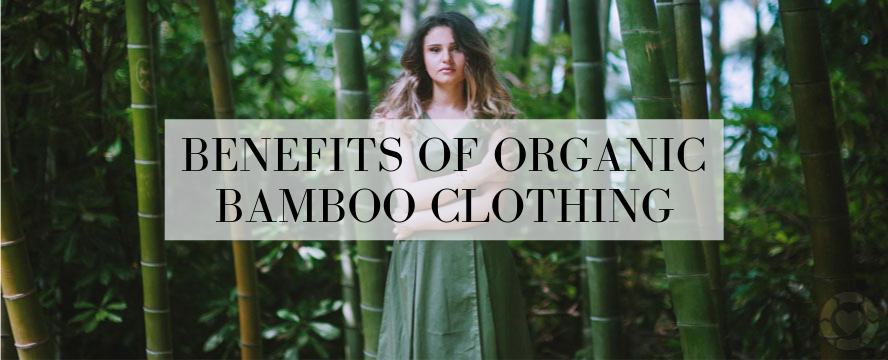
Benefits of Organic Bamboo Clothing

Benefits of Organic Bamboo Clothing | ecogreenlove

By now, you’ve heard of cotton, organic and regular, hemp, linen, silk, wool, and cashmere, all natural fabrics that are exceptionally popular in the fashion industry, especially in the recent years. The health and fitness revolution have not only had an impact on how we do our grocery shopping and choose our gyms, but also on how we dress ourselves. To be more specific, the fashion world has started to change towards a more sustainable, durable realm, and the use of materials that fit that description are a significant part of the movement.

One especially healthy fabric, which has gained so much popularity lately, is organic bamboo, and while it may sound like an unexpected source, it represents one of the cleanest, healthiest fabrics for our clothes. If you’re still confused by the idea, let’s take a look at several key benefits of using it in producing clothes, which will change how you perceive fashion, as well as the industry itself.

Continue reading “Benefits of Organic Bamboo Clothing”

Image

Rising Sea Levels [Infographic]

Rising Sea Levels [Infographic] | ecogreenlove

As global temperatures rise, sea levels have also begun to climb, resulting in disastrous flooding that has devastated and displaced communities around the world. Unfortunately, sea levels will only grow higher in the coming years—temperature increases are likely to continue due to climate change and will rapidly melt glaciers. In this likely scenario, it won’t just be a few people underwater—sea levels could negatively affect more than 100 million people, equaling about one-third of the US population. Sea levels are expected to rise 8-34 inches by 2100, and flooding could make current coastal areas uninhabitable within the next century.

For more information about how sea levels could displace millions and cost the global economy trillions, check out this infographic from the Safety Management Program at Eastern Kentucky University Online.

Continue reading “Rising Sea Levels [Infographic]”