
If you’ve ever driven past a partially finished property, you’ve seen firsthand that the construction process generates a massive amount of waste. Can you build your dream house while staying true to your sustainability goals? The answer is yes — making careful choices can reduce or eliminate that issue.
1. Hire Open-Minded Contractors
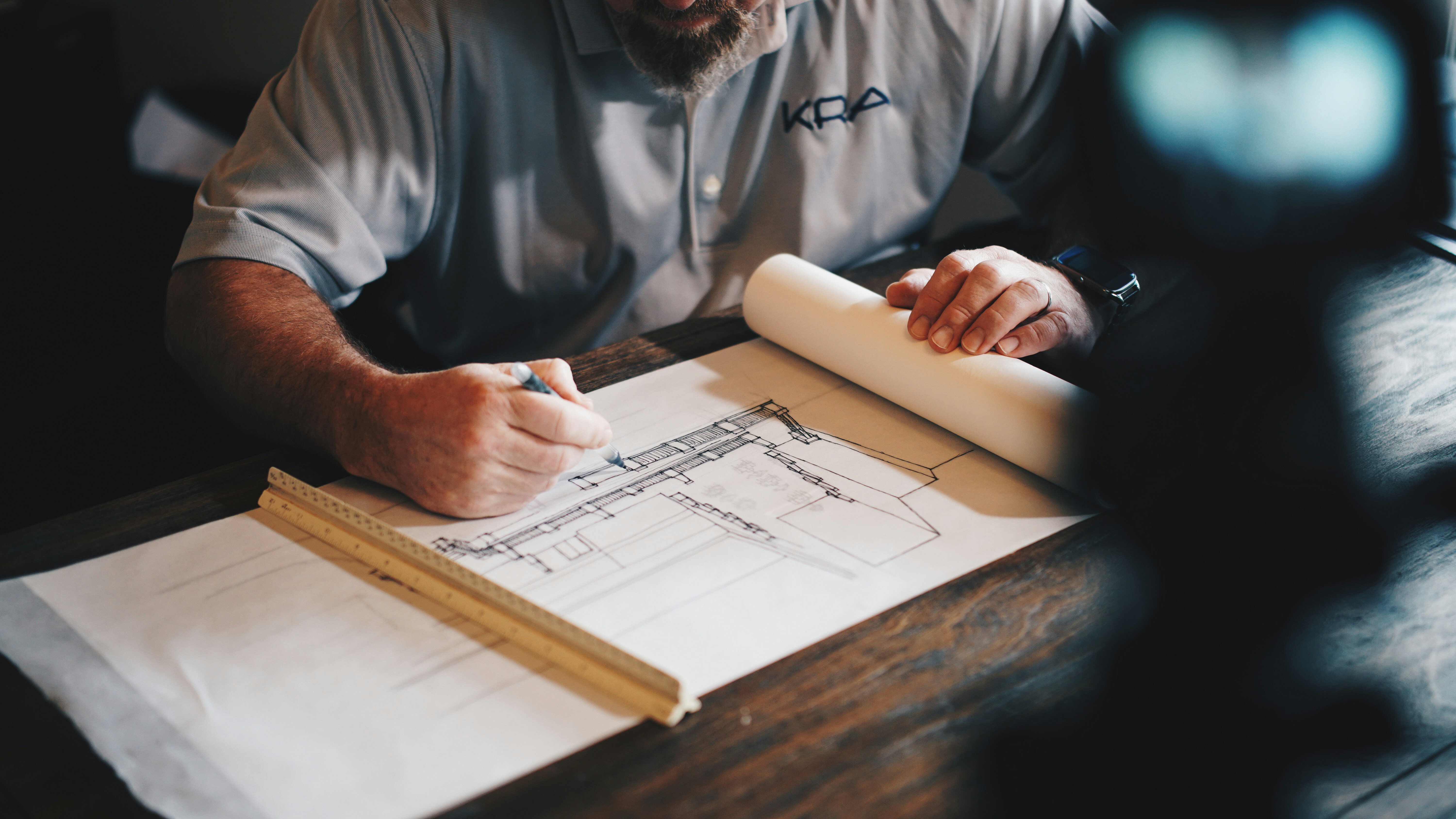
Since zero-waste construction projects are still relatively rare, you must partner with a contractor who understands your goals and can use them to create a customized plan. Take time to research companies in your area that have recently assisted with sustainable homes and consider reaching out to some of them to discuss your ideas.
Once you have found contractors that will support your zero-waste goals, ask how they plan to hit the targets. Remember, your time is as valuable as conserving materials. Establishing a check-in process for the construction team to keep you informed will let you track progress and ask questions as you go along.
2. Consider Deconstruction Rather Than Demolition
Many materials go to waste when companies tear down buildings that are no longer suitable for use. However, an emerging alternative called deconstruction aims to establish a new norm. It involves manually dismantling the structure, carefully removing and preserving reusable materials. Deconstructing a wood-frame house may take four to six people several days if they use heavy machinery.
Though deconstruction requires more labor than demolition, it creates jobs and supports sustainability aims. Plus, some of the downsides can also become opportunities. For example, deconstruction is generally more expensive than demolition. However, construction crews could recoup that money by selling it to people in the market for renewable materials. That approach reduces reliance on supply chains, which can become strained due to demand fluctuations.
3. Become Familiar With Emerging Options
Many zero-waste construction efforts require people to think outside the box and embrace innovation to meet their goals. Even if you don’t end up following someone else’s footsteps to build your dream home, it’s always wise to stay informed about what others have tried and how well these alternatives worked.
In one case, a group used 3D printing to make temporary formworks for reinforced concrete, primarily using construction site mud. Workers also ran numerous tests to learn how to get the optimal results. The outcomes showed cylindrical formworks of less than 10% water kept their shapes best. Participants concluded that waste mud allows people to create precise and flexible molds while potentially reducing concrete-related emissions by more than 50%.
4. Estimate Necessary Supplies Carefully
Construction crews working on zero-waste homes should use high-tech tools to determine accurate material quantities and avoid purchasing excess. Being careful about this aspect is especially valuable for products such as paint, which may be prohibitively difficult to use elsewhere.
If it’s impossible to avoid creating waste, you should still do everything you can to prevent unnecessary environmental pollution. Statistics indicate 30% of global waste comes from construction, demonstrating the opportunities for improvement. However, additives such as adhesives can also leach into soil, causing problems later. Prioritizing waste reduction through precise estimation and tracking can minimize these issues.
5. Design the Home for Energy Conservation
Ask the professionals involved with your dream home what they could do to help you save energy. Specific choices can decrease your utility bills while keeping everyone comfortable. For example, architects designed one resource-efficient home in Scotland as four pods they could transport to the site after assembling them elsewhere.
Additionally, this house features thermal insulation made from recycled glass and plastic bottles. Though the residence’s orientation allows abundant natural light to stream through the windows, the design also includes roof-mounted solar panels and a highly efficient wood stove that runs on sustainably sourced pellets. These examples can inspire you to consider how your house can uphold zero-waste ideals once you begin living in it.
6. Explore Community Contributions
People can make zero-waste homes more accessible by working together to achieve shared goals. Visit thrift stores, yard sales, auctions or other places to buy used goods and see if you can find anything to use in building or furnishing your new home.
Alternatively, some local leaders have launched forward-thinking waste reduction initiatives that will support the construction industry. During one pilot project, people gave 93 tons of nonrecyclable plastic that became construction-grade blocks. Once you start telling others about your zero-waste construction aspirations, they might have plenty of suggestions that could help you directly or point you in the right direction.
7. Maintain a Realistic Perspective
As we come to our final tip, be optimistic but practical about zero-waste home construction. As you can tell from the examples in this article, people have done inspiring things when building sustainable homes.
Challenges may arise despite your best preventive measures. Practice self-kindness and remember that zero-waste living is a lifelong goal. Don’t get too discouraged if things don’t go according to plan.
A Zero-Waste Home Is Within Reach
Apply these suggestions to get as close as possible to zero-waste home construction. Think about keeping a journal during the experience to document what went well and which things surprised you. People who draw sustainable inspiration from you may appreciate the information.

Author Bio:
Jane is an environmental writer and the founder and editor-in-chief of Environment.co where she covers sustainability and eco-friendly living.
💚 Read more about Sustainable Homes:
![Home Alterations to Reduce Energy Waste and Save On Utility Bills [Visual]](https://ecogreenlove.com/wp-content/uploads/2023/07/07142023_reduceenergywaste.jpg?w=1200)
![What makes a Home Energy-Efficient? [Visual]](https://ecogreenlove.com/wp-content/uploads/2021/06/06302021_energyeffhome.jpg?w=1200)
![Zero Waste Homes [Infographic]](https://ecogreenlove.com/wp-content/uploads/2019/12/12152019_zerowastehomes.jpg?w=888)


Join the ecogreenlove community

 ecogreenlove