
Lycra, neoprene, polystyrene and other potential pollutants have become near-ubiquitous. Pre-1950, we just didn’t take plastic to the beach. Now it’s virtually impossible not to, even if it’s just you and your swimmers.
These are the some of the best ways to avoid seaside plastic pollution:

Swimwear
“The most sustainable swimwear is what you already own”
Anne-Marie Soulsby, aka the Sustainable Lifecoach
- Prefer some brands that are minimising the amount of plastic in their swimwear,
- Or that are making them mostly of hemp and organic cotton.
- There’s a brand for men that is 100% cotton for example.
- Another option is to choose swimwear made with recycled nylon from ocean and textile waste.
Inflatables and bodyboards
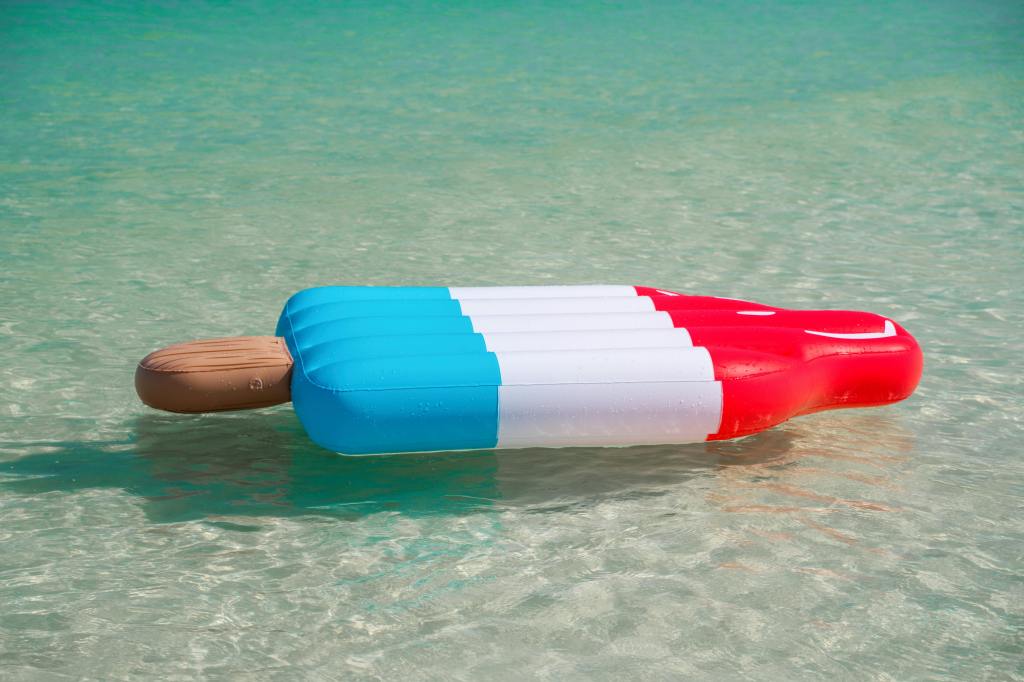
Borrow, or look after what you have (you’ll need a specific PVC patch kit as bike puncture glue won’t stick). And avoid polystyrene bodyboards or look for a rental scheme of birch-plywood bellyboards.
Buckets and beach toys
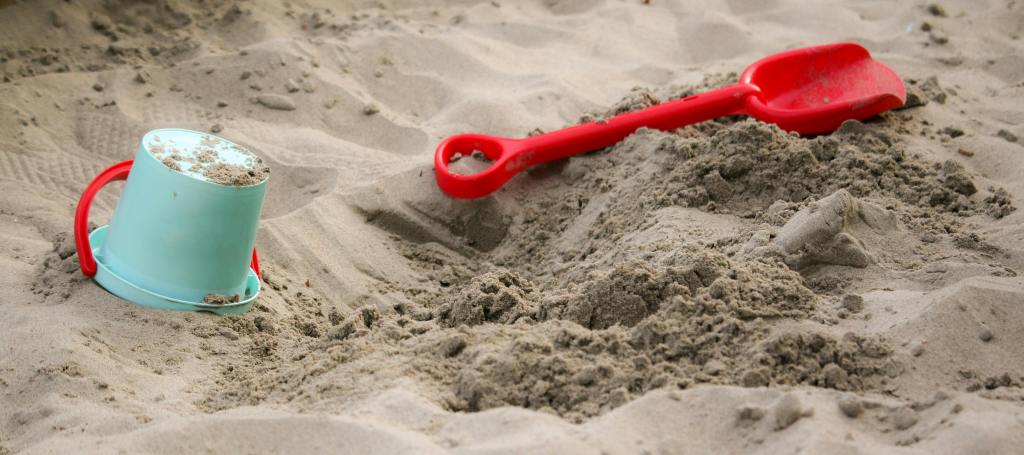
Firstly, ask the internet if your beach of choice has a toy library.
If you do need new toys, get silicon.
“You can squish it into your bag and it doesn’t go brittle or rust”
Jen Gale, author of The Sustainable(ish) Living Guide
Bioplastic toys are an improvement on regular plastic – for example, there is a bucket set made from sugarcane – BUT is not better for the ocean if this is lost at sea – it won’t safely biodegrade (the same with recycled plastic toys).
If you’re done with your beach games, pass on to the local toy library.
Suncare
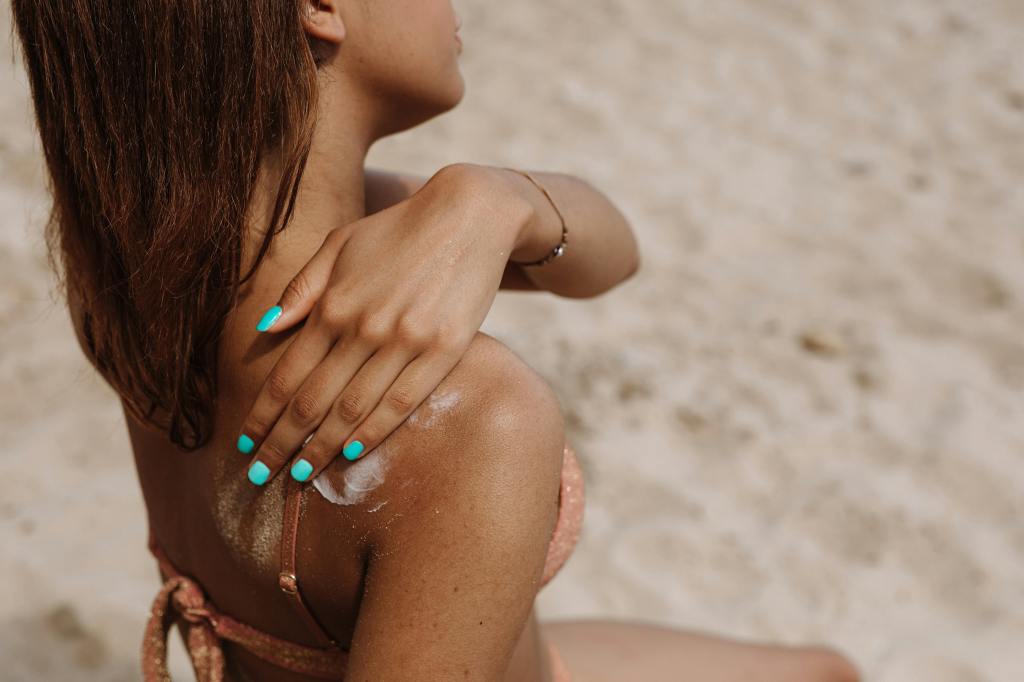
If you want to be absolutely plastic-free – including those pervasive nano-plastics – then your safest option is a zinc oxide-based formulation. This is water-resistant, but leaves a white veil on the skin.
This and this brand come in reusable tins and contain no marine-damaging petrochemicals.
“[Zinc oxide] is OK for the face, but not great for covering your whole body.”
Wendy Graham of the blog Moral Fibres
The middle ground is complex – there are aluminium-packaged sunscreens claiming to be “reef-safe”, but as an unregulated term, that’s not always the case. Wear that chalky finish like a badge of honour.
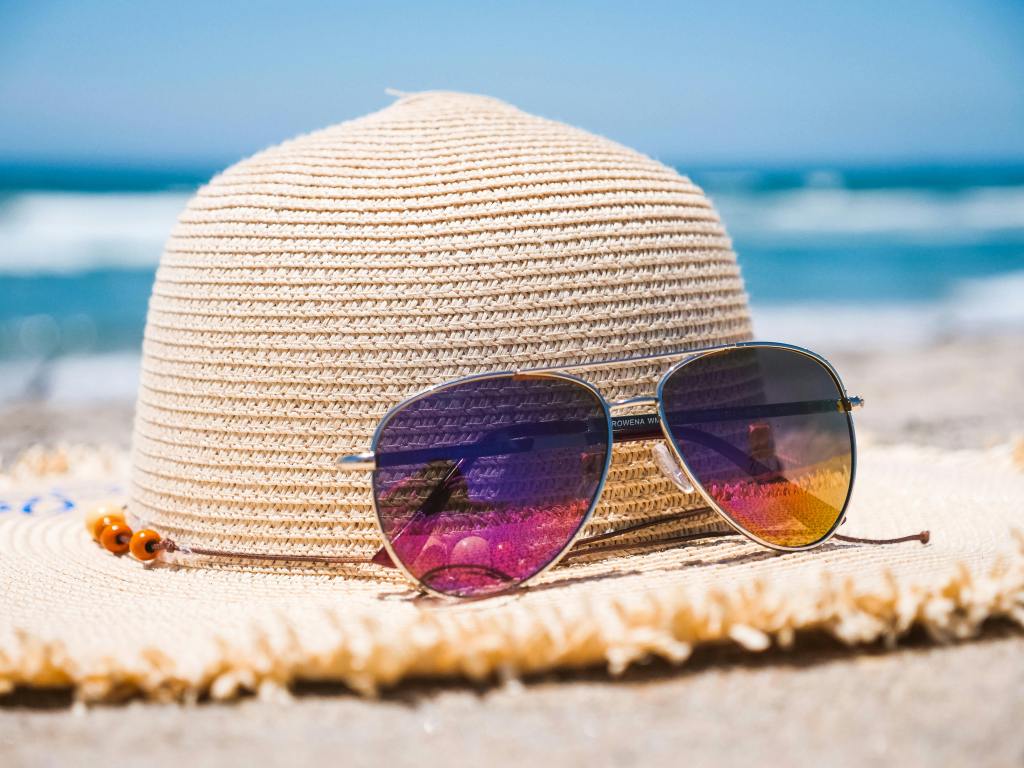
Sunglasses
It is actually possible to find plastic-free eyewear, but since are glass lenses, you have to be a very careful person.
There are sunglasses with wire and bio-acetate frames (made from wood pulp) and mineral glass lenses. Look for companies like this one that collects and mechanically recycles abandoned plastic fishing nets to create affordable frames with mineral glass lenses.
Another option is to look for a company that offer lens replacement service for its own frames (like this one), which are variously made from wood, bio-acetate and aluminium (though the lenses are plastic).
Dryrobes
Although the OG Dryrobe is made from recycled nylon and polyester, there are companies like this one which has developed a plastic-free alternative: except for its metal zips and buttons, the entire water-resistant changing robe is organic cotton.
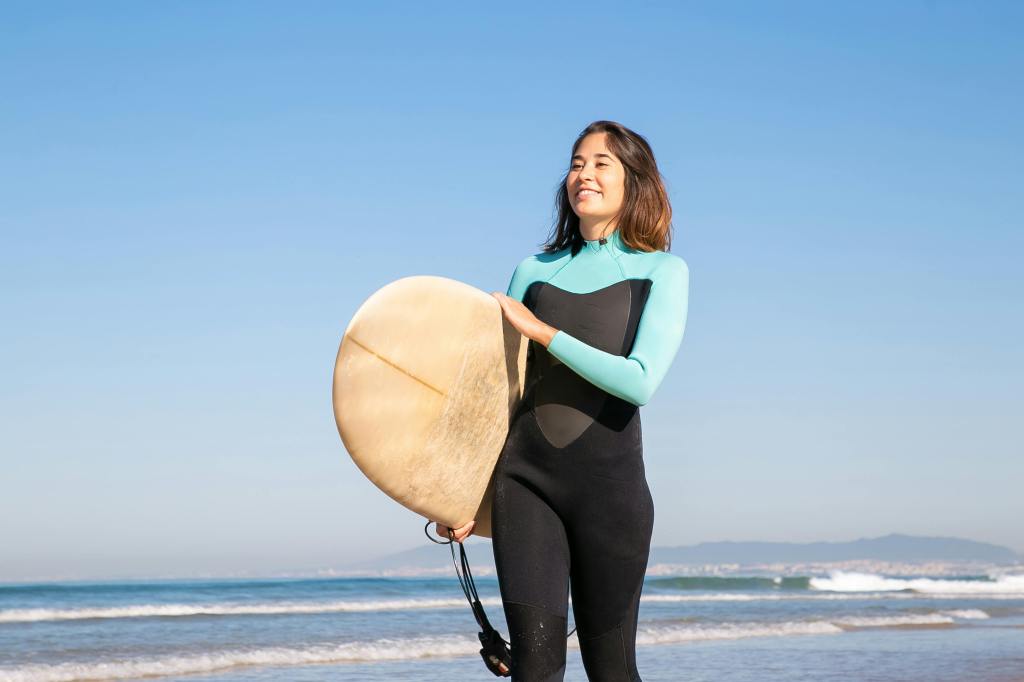
Wetsuits
Neoprene is derived from fossil fuels and isn’t recyclable or biodegradable. And beware of “eco-friendly”, limestone-based neoprene – although not made from oil, the end result is identical.
This brand has eliminated all its limestone-based wetsuits and now only uses Yulex, a natural rubber (NB: the formulation still includes 15% synthetic rubber to 85% Yulex). Of course, it’s pricier than neoprene – this brand now offers its Yulex range to rent, as well as buy.
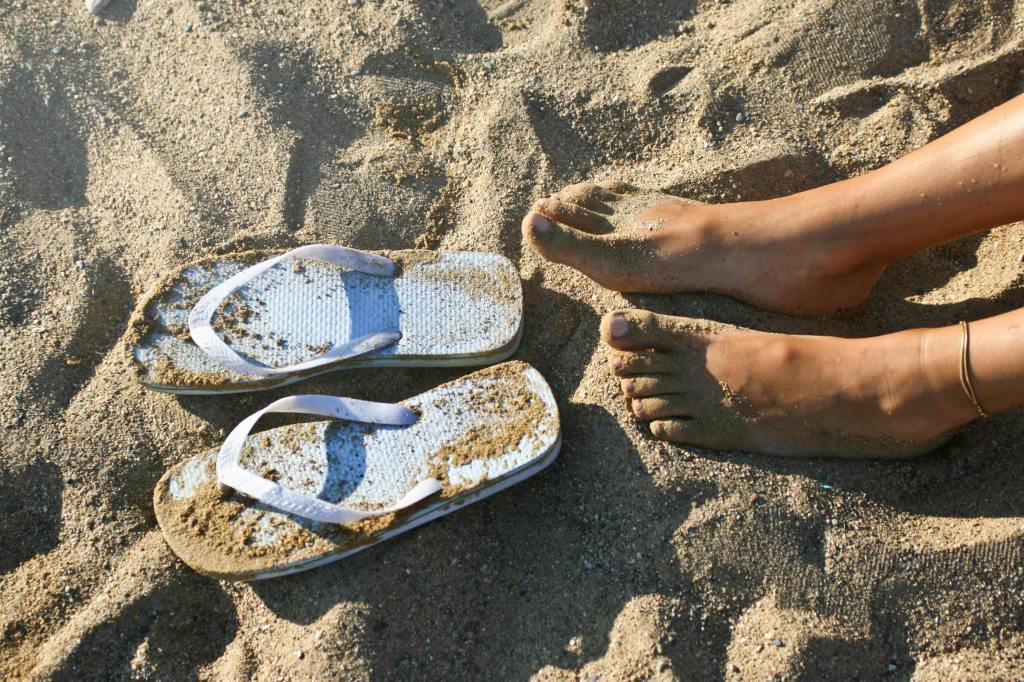
Footwear
Flipflop pollution is real. Hardly surprising, given that about 3 billion are produced annually. According to the charity Ocean Sole, 90 tonnes of flipflops wash up annually on East Africa’s beaches alone.
One alternative is this brand made from FSC-certified natural rubber. They also take back old ones from their own brand for recycling into, for example, children’s playground matting, and offer a free TerraCycle recycling programme for plastic flipflops from any brand.
“If you’re looking for plastic-free nirvana, you may never find it”
Anne-Marie Soulsby
Matters are improving – though there’s usually a premium to pay if you want to minus cheap plastic from the mix. So why not borrow the plastic that already exists from friends, family or your local Library of Things. And don’t forget your reusable cutlery and containers for eating and drinking à la plage.
Source:
From swimwear to toys: how to go plastic-free for a day at the beach By Fleur Britten | Guardian, June 2024
![Plastic Free July [Infographics]](https://ecogreenlove.com/wp-content/uploads/2017/07/plasticfreejuly.png?w=888)
![Plastic to avoid in everyday items [Visual]](https://ecogreenlove.com/wp-content/uploads/2019/10/10012019_plasticbiodegradation.jpg?w=888)
![Plastic Pollution and its impact on the Oceans [Infographics]](https://ecogreenlove.com/wp-content/uploads/2019/06/06072019_plasticpollution.jpg?w=888)


Join the ecogreenlove community

 ecogreenlove