
Picking fresh produce from the garden may seem like a distant dream for those who live in a city. However, urban gardens deliver delicious and nutritious edible plants for salads, smoothies and meals.
If you’ve never tried gardening or don’t have a green thumb, you might be hesitant to attempt growing anything in raised beds and containers. Fortunately, it’s easier than you think. Here’s everything you need to know about gardening in a concrete jungle.
The Wonderful World of Urban Gardens
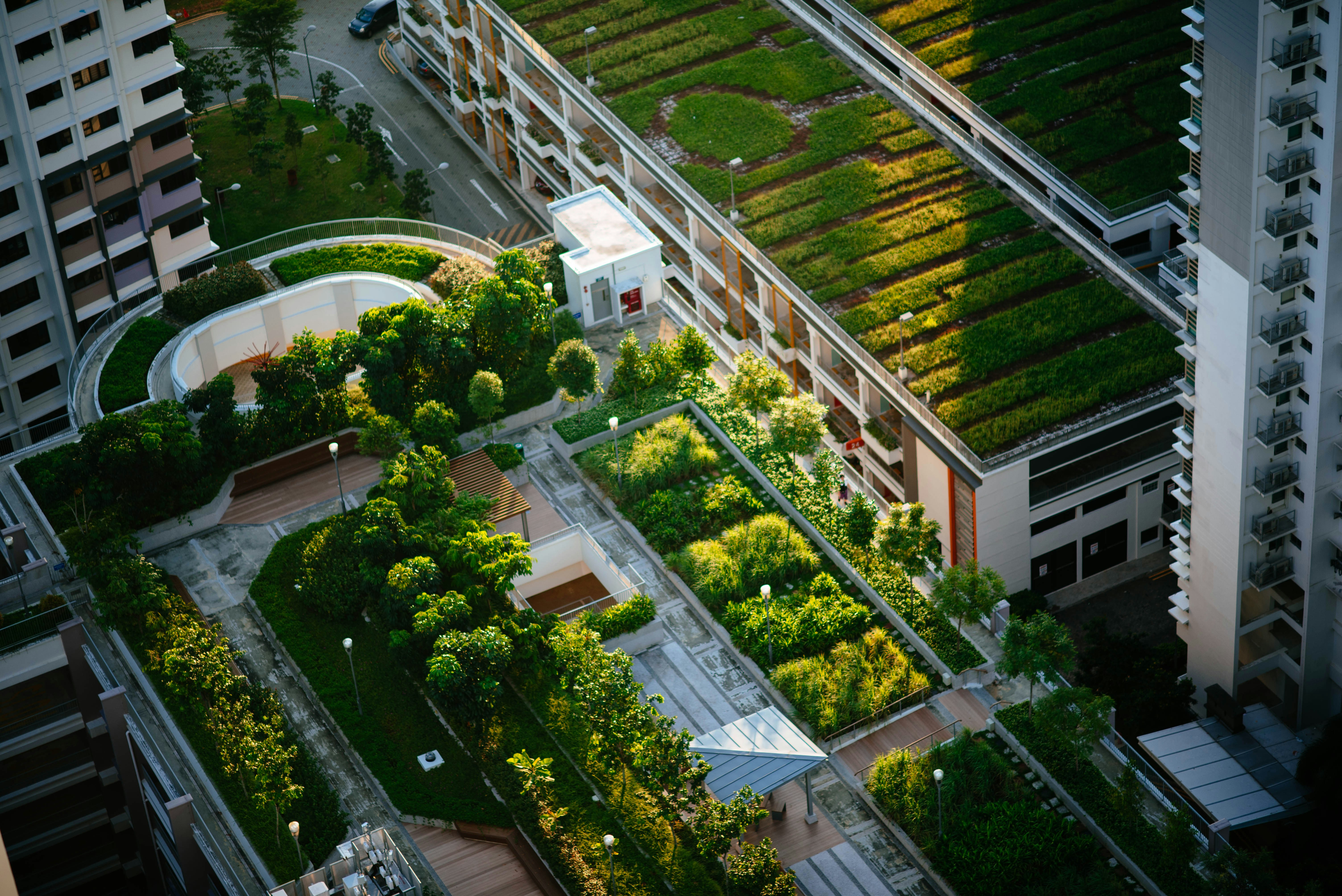
Urban agriculture comprises indoor and rooftop gardens, farmers markets, community gardens, aquaculture, hydroponics, beekeeping and edible landscaping. It could also be as straightforward as growing crops on your balcony or windowsill.
Gardening in the city improves access to affordable, nutritious food for better health, whether for your household or your neighborhood. The approach accounts for 15%-20% of the global food supply, helping to supplement groceries with locally grown, seasonal goods.
As a result, cities can reduce their carbon footprint by increasing green spaces and eliminating transportation and distribution emissions. These gardens even increase biodiversity by attracting pollinators.
Urban gardens also enhance physical and mental health. Many turn to gardening as a form of exercise, which boosts endorphins. Others enjoy the social aspect of it, engaging with their community and participating as volunteers.
Urban Gardening for Beginners
You don’t need a big backyard to grow various fruits and vegetables. City dwellers will find they can create the ultimate urban garden with limited space and resources. Of course, you must consider a few things, especially since city conditions differ from conventional landscapes for achieving healthy, thriving plants.
Getting Started
Before you plant seeds, note the growing conditions where you live. For example, if the location has partial shade most of the day, a crop with full-sun requirements may not flourish.
The best way to determine sunlight exposure is to choose a spot and take photos every two to three hours from the same angle. Then, you can analyze how much sun you have at different times. Keep in mind the following sunlight needs:
- Full sunlight: Six to eight hours of direct sunlight
- Partial sunlight: Four to six hours of sunlight, with some shading throughout the day
- Shade: Under four hours of sunlight during the day
The type of soil also matters, especially if you’re using an abandoned lot, as these areas may be contaminated. Always test the soil for harmful chemicals before planting crops to ensure it’s safe and maintains sufficient nutrients. Otherwise, fresh potting soil will work best for container growing.
Selecting the Best Plants
Crop selection is crucial in starting a successful garden in the city, mainly because some plants grow better than others in urban conditions. You might consider cultivating the following produce for optimal yields:
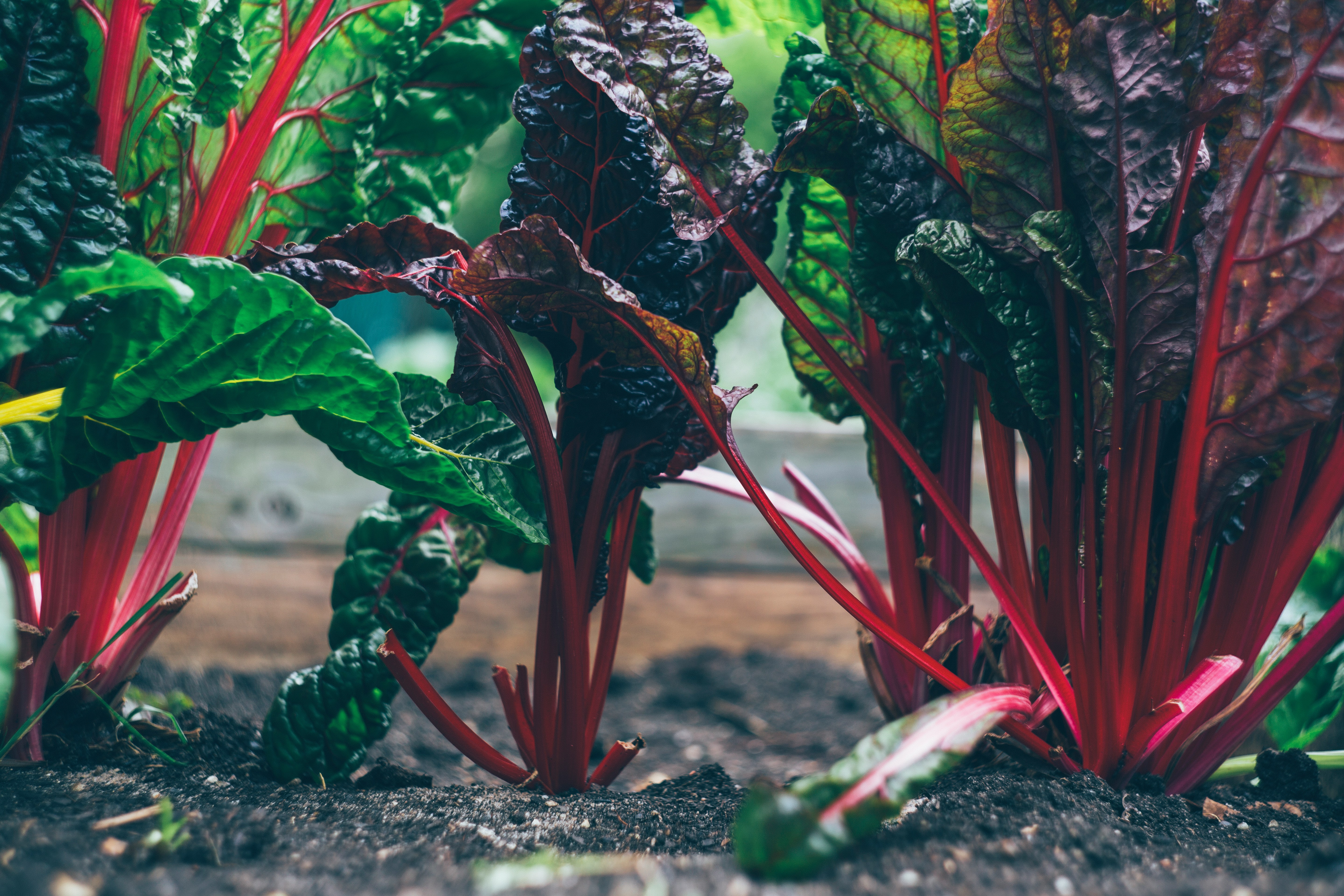
- Leafy greens like lettuce, kale and spinach, which prefer containers and partial shade
- Microgreens like arugula, broccoli, pea shoots and sunflower
- Herbs like basil, rosemary, mint, parsley and thyme, which favor small pots and attract beneficial insects
- Tomatoes, strawberries, cucumbers and peppers — compact plants ideal for container gardening and growing vertically
- Radishes — a fast-growing crop that prefers shallow containers
Use the information you’ve gathered about your location to determine which crops will result in an impressive harvest. Also, consider seasons — lettuce does well in cooler weather, while peppers prefer warmer temperatures and ample sunlight.
Care and Maintenance
Maintaining your urban garden will ensure long-lasting, healthy plants through multiple seasons. For instance, you’ll want to give your plants 1-2 inches of water every time you irrigate to ensure it reaches the roots. Experts recommend doing this in the morning, but only if temperatures exceed 40 degrees Fahrenheit.
Applying mulch during hotter months will also help the soil retain moisture and regulate temperatures. Organic mulch will biodegrade, giving your crops more essential nutrients.
Observing your plants daily will help you mitigate problems before they get out of hand. Use chemical fertilizers, pesticides and herbicides sparingly to prevent soil fertility loss and environmental harm. Instead, control infestations with integrated pest management techniques.
Finally, remember to prune your crops, removing dead leaves and areas with diseases. This will prevent the problem from spreading, promote healthy growth and enable new blooms to appear.
Sustainable Techniques for a Thriving Urban Garden
Even small-scale urban agriculture has a carbon footprint. Therefore, it’s critical to incorporate sustainability into your garden for a lower environmental impact and long-term plant growth.
Compost is key to healthier fruits and vegetables and encourages you to reduce landfill waste. Kitchen scraps create nutrient-rich, organic soil that enhances plants by improving acidity and salinity. As a result, soil holds moisture for extended periods and reduces the need for pesticides, fertilizers and other synthetic chemicals.
Of course, even with composted soil, you’ll still need to water your garden occasionally. A drip irrigation system or rainwater harvesting are excellent ways to conserve water and adequately irrigate your plants.
Likewise, you should address pests immediately before they overtake your growing area. For instance, aphids can harm your crops and spread diseases quickly. Natural neem oil is a practical, environmentally friendly solution for controlling aphid infestations in your garden. You may also have luck applying soapy water using a spray bottle.
Save seeds from your plants at the end of the growing season — this is vital for preserving heirloom crop varieties and promoting genetic diversity. Many cities have seed-saving initiatives that let you exchange them with other urban growers in your community.
Innovative Gardening Tips for Small Space
Maintaining an urban garden with limited space has its challenges, but it isn’t impossible. There are many ways to maximize even the smallest area for flourishing plants. Consider the following approaches:
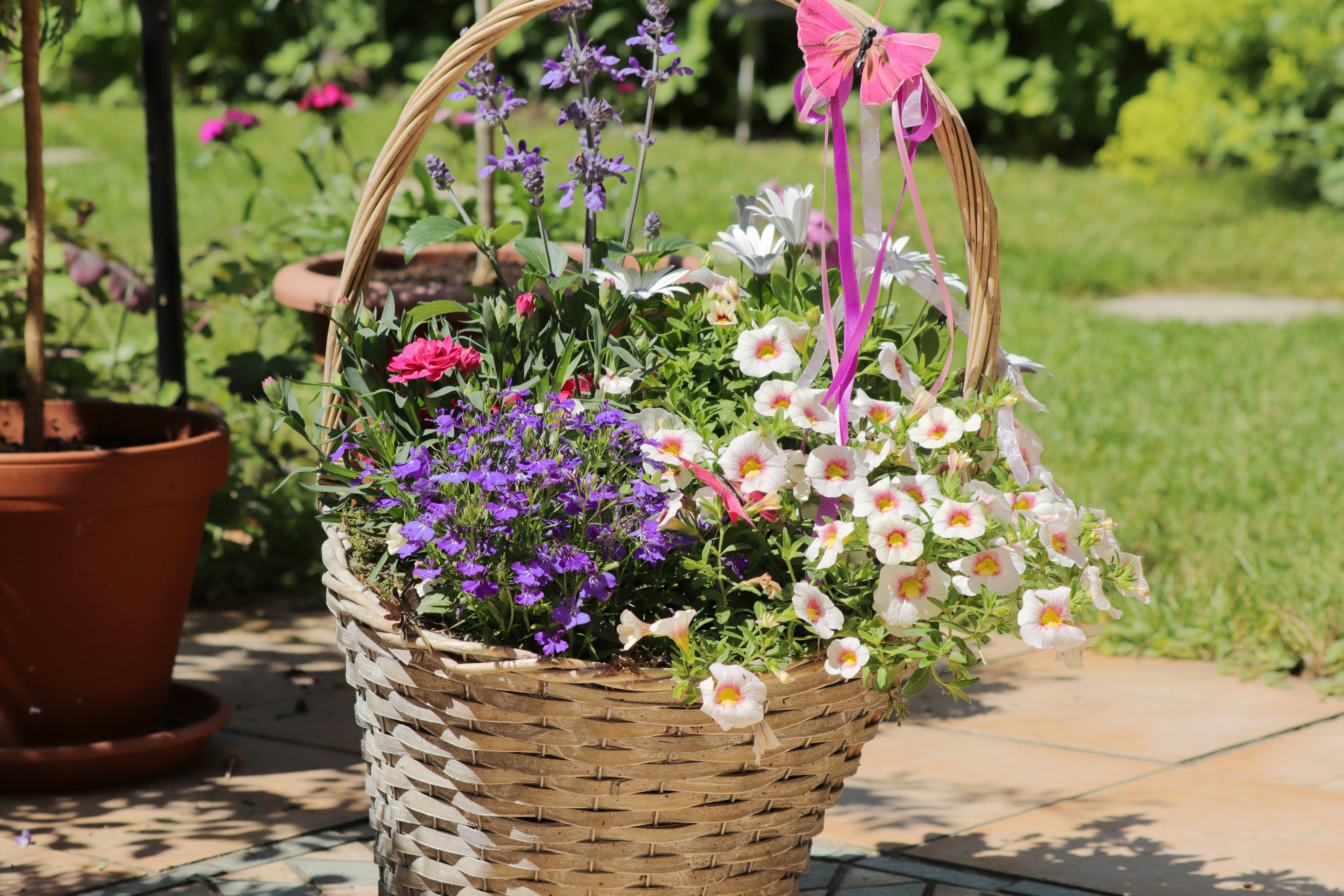
- Container gardening: This method grows plants using buckets, pots and raised beds and is ideal for rearranging containers as needed.
- Vertical gardening: Use walls and other structures — like hangers, trellises and wall mounts — to grow plants vertically.
- Micro-gardening: Stick with herbs and microgreens on windowsills, counters and balconies to save space.
- Hydroponics: Eliminate soil and use compact nutrient-rich water solutions to grow plants.
- Portable gardens: Grow plants in containers and garden beds with wheels for easier control over layout and sunlight exposure throughout the day.
Create a Plentiful Garden in the City
Living in a bustling city doesn’t mean you have to give up access to nutritious food. You can still reap the benefits of fresh produce, even if you only have a balcony to grow your plants. Take advantage of compact growing solutions to maximize your urban garden and achieve a plentiful harvest.

Author Bio:
Jane is an environmental writer and the founder and editor-in-chief of Environment.co where she covers sustainability and eco-friendly living.
![How Gardening Benefits your Mind and Body [Visual]](https://ecogreenlove.com/wp-content/uploads/2022/04/04132022_gardeningbenefits.jpg?w=1200)
![Gardening for Climate Change [Visual]](https://ecogreenlove.com/wp-content/uploads/2019/08/08262019_climatechangegardening.jpg?w=888)


Join the ecogreenlove community

 ecogreenlove