Is Well Water Healthier Than Municipal Water?

Is Well Water Healthier Than Municipal Water? | ecogreenlove

Water is a basic human necessity for life. While everyone needs it, there is an ongoing debate regarding the healthiest water source — well or municipal? With the state of water contamination nowadays, making a well-thought-out choice is essential to your health and well-being.

The average person uses up a lot of water daily, whether for drinking, cooking, showering or another use. As such, water quality is of the utmost importance. Let’s explore the differences between well and municipal water sources in the U.S. and which is better for you.

Continue reading “Is Well Water Healthier Than Municipal Water?”

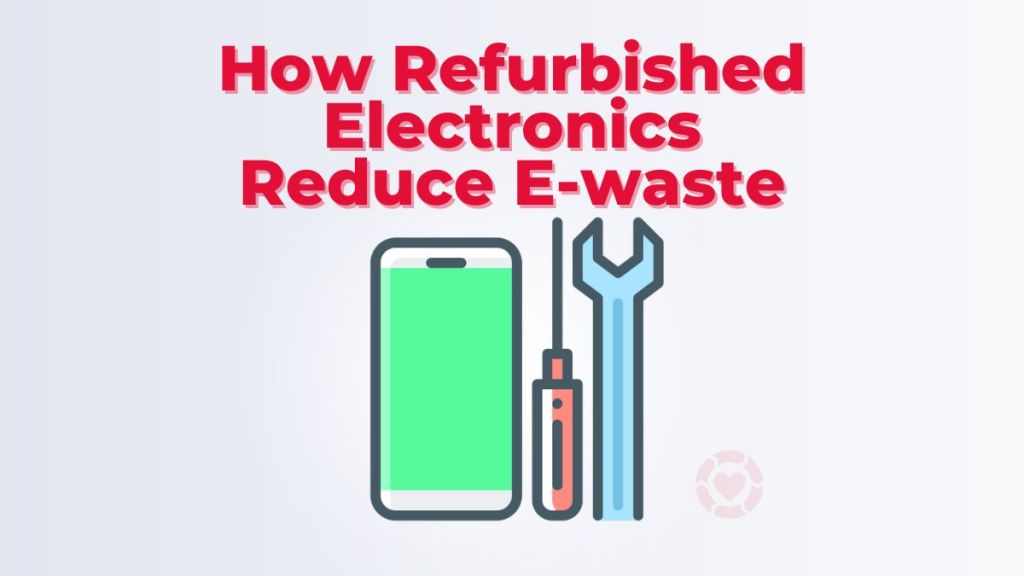
How Refurbished Electronics Reduce E-waste And Contribute To Environmental Sustainability

How Refurbished Electronics Reduce E-waste And Contribute To Environmental Sustainability | ecogreenlove

Are you a tech enthusiast with a knack for buying and flashing the latest electronic gadgets? Ever wondered where discarded electronic items end up? Perhaps not. Now is the time you should realize the impact the electronic waste generated has on the planet. 

Continue reading “How Refurbished Electronics Reduce E-waste And Contribute To Environmental Sustainability”
Image

Enhance Sustainability of your Home with these Eco Upgrades

Enhance Sustainability of your Home with these Eco Upgrades | ecogreenlove

The green movement has taken the world by storm, which is no surprise if we just stop for a second and look at our environment. Our air is polluted with various toxins, our land is littered by every form of garbage we can think of and our oceans and other bodies of water almost contain more waste than they do aquatic creatures. So, it was high time we took action and started minding our actions if we want to have something to leave to future generations.

However, no matter how important accepting the green movement is, there is still a lot of negligence and even ignorance when it comes to our lifestyles. People are not too eager to change their habits, and even though a certain behavior might be harmful to the environment, people choose to follow it because it’s easy.

On the other hand, there are those who are aware of just how bad humanity is for the environment, and who want to make a change that will help them live with the environment, not against it, but they don’t know how. If you belong to this group, check out some of these tips and features you can implement in your home to start leading a more eco-friendly lifestyle.

Continue reading “Enhance Sustainability of your Home with these Eco Upgrades”

How GREEN are the Green Products?

How GREEN are the Green Products? | ecogreenlove
Summary from “THERE IS NO SUCH THING AS GREEN PRODUCT” by R. GEYER AND T. ZINK on Stanford Social Innovation review

Read the full article here

“Let’s first take a closer look at the current thinking about green products. Most managers realize that virtually all products and services have environmental impacts, just as they have economic costs. In other words, practically all products and services require the extraction of natural resources and cause the release of wastes and emissions, and both these activities are almost certain to affect the natural environment adversely. The environmental benefits of green products are not that they somehow fix the environment or have zero impact, but rather that their environmental impacts are less than those of similar products.

Continue reading “How GREEN are the Green Products?”

How long will it last? [Infographic] via @newscientist

5Fridays

This infographic shows current consumption rates of various natural resources and provides a timeline estimating when we will run out of them if we don’t become more sustainable. It demonstrates the impacts of American consumption, in particular, and notes where we’d be if the rest of the world consumed resources at just half the rate of the US.

Data compiled by by Armin Reller of the University of Augsburg and Tom Graedel of Yale University, graphic created by NewScientist.