Skip to content
ecogreenlove
About
Let’s collab!
Contact (opens email service)
Disclaimer
Green Living
zero waste
DIY
Health
Garden u0026amp; Nature
Food
recipes
Family
Pets
Green Media
Our path
Español
wildlife
7 relaxing ways to have a break with the environment in mind
5 Facts about Giraffes + their Silent Extinction
Tips to Protect the Turtles & Tortoises
Light Pollution [Visuals + Video]
Primary Threats to Bees + 10 ways to save them [Visuals]
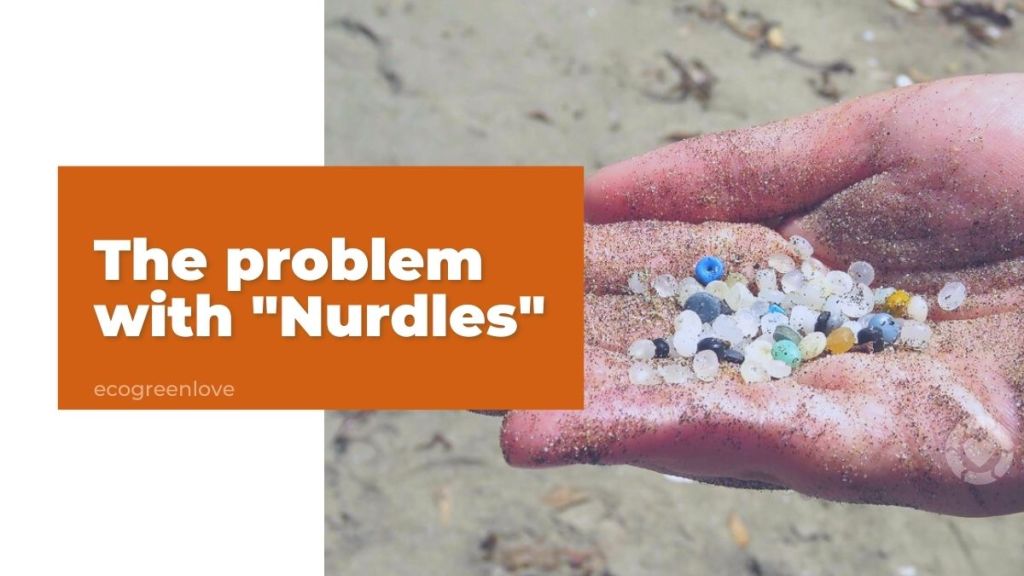
The problem with “Nurdles”
1
2
3
…
5
Next Page
Privacy & Cookies: This site uses cookies. By continuing to use this website, you agree to their use.
To find out more, including how to control cookies, see here:
Cookie Policy
Subscribe
Subscribed
ecogreenlove
Join 1,738 other subscribers
Sign me up
Already have a WordPress.com account?
Log in now.
ecogreenlove
Subscribe
Subscribed
Sign up
Log in
Report this content
View site in Reader
Manage subscriptions
Collapse this bar

![Light Pollution [Visuals + Video]](https://ecogreenlove.com/wp-content/uploads/2023/04/04152023_lightpollapps-2.jpg?w=1024)
![Primary Threats to Bees + 10 ways to save them [Visuals]](https://ecogreenlove.com/wp-content/uploads/2022/05/05202022_savethebees.jpg?w=1024)
 ecogreenlove