Image

A Guide to Food Waste [Infographic]

A Guide to Food Waste [Infographic] | ecogreenlove

A Guide to Food Waste [Infographic] | ecogreenlove

Brough to you by Fix.com

In 2010, around one-third of the food produced in the United States was not consumed, and ended up being wasted. That is a troubling statistic, and represents a food waste crisis that if left ignored will continue to burn holes in the pockets of families, and contribute to waste and the myriad problems it causes our planet.

One of the first things you can do to cut food waste in your home is to stop treating the “best-before,” “use-by,” and “sell-by” labels as gospel that determine when food must instantly been thrown out. These labels are used for shelving and inventory purposes in stores, and you should always trust your eyes and nose before you trust a number on a package. Consider using food rather than throwing it out, unless your senses tell you otherwise!

Make your meal plans and take stock of what you have in your fridge and pantry before you go shopping, and shop accordingly. Consider joining a CSA to take advantage of freshness, and buy your groceries a few times a week and when needed, rather than all at once.

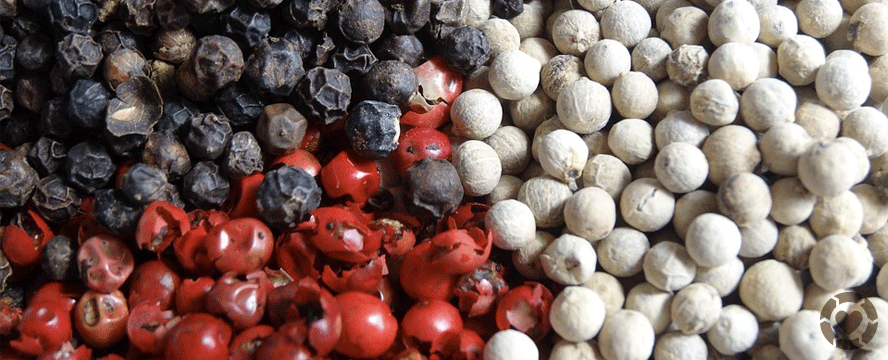
All about Peppercorns: Types & Tips

All about Peppercorns: Types & Tips | ecogreenlove

Called the “king of spices”, pepper has a long history of being used as a seasoning, a preservative, and even currency. By far the most frequently used spice, pepper adds an excellent depth of flavor to nearly any savory dish, and many sweet dishes as well.

Black, white, and green peppercorns all come from the same vine. They grow in clusters (like grapes), and are harvested in various stages of growth.

Continue reading “All about Peppercorns: Types & Tips”